
WE SHIP WORLDWIDE
Best-Selling Training Shoe Brands by Country: The Most Popular Athletic Footwear Worldwide
```Walk into a gym in New York, a running store in Tokyo or a fashionable cafe in Paris and you will notice something immediately: training shoes may be global, but every country wears them a little differently. Some markets remain loyal to long-established sports giants, while others have embraced newer running brands with oversized cushioning, technical soles and a more modern look.
That is what makes the question of the world's best-selling training shoe brands so interesting. A shoe that dominates in one country may be a specialist choice somewhere else. Climate, local sports, fashion culture, foot shape, retail availability and even commuting habits can all influence which brands rise to the top.
There is no single public sales database that provides a perfectly comparable ranking for every country. For that reason, this guide looks at the brands that consistently attract strong demand, broad visibility and loyal followings in each market rather than presenting the list as a fixed audited sales chart. Whether you call them trainers, sneakers, gym shoes or athletic footwear, these are the names shaping what the world wears.
To compare current styles, you can explore the complete collection of trainers and sneakers, browse dedicated running shoes or view the full sports brand directory.
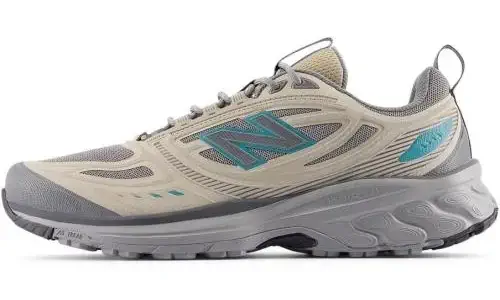
What makes a training shoe brand a bestseller?
Performance matters, but it is not the only reason a shoe becomes popular. The strongest brands usually succeed because they combine technical credibility with a recognizable visual identity. A shoe must feel comfortable during a workout, but many shoppers also want a pair they can wear with jeans, leggings or relaxed tailoring after leaving the gym.
Retail reach is equally important. Nike and Adidas are available in almost every major market, giving them an advantage that specialist brands may not have. At the same time, focused running labels such as Brooks, Hoka and On can build exceptionally loyal audiences because they are associated with a particular kind of comfort or performance.
Local identity also plays a role. German consumers have a natural connection to Adidas and Puma. Japanese runners have long trusted ASICS and Mizuno. Swiss shoppers often view On as both a performance label and a homegrown design success. A brand does not need to be the worldwide number one to become the defining athletic shoe in a particular country.
Popular training shoe brands by country
| Country or market | Brands commonly attracting strong demand | What influences the market |
|---|---|---|
| United States | Nike, New Balance, Brooks, Hoka, Adidas, Under Armour | Running, gym training, basketball culture and athletic streetwear |
| Canada | Nike, Adidas, New Balance, Hoka, Salomon | Urban comfort, seasonal weather and outdoor activity |
| United Kingdom | Adidas, Nike, New Balance, ASICS, Hoka | Football heritage, running clubs and trainer culture |
| Germany | Adidas, Puma, Nike, ASICS | Strong local brands, football and practical sportswear |
| France | Nike, Adidas, Salomon, Hoka, New Balance | Fashion-led styling, technical footwear and trail culture |
| Italy | Nike, Adidas, Puma, New Balance, ASICS | Fashion-conscious designs and football-inspired footwear |
| Switzerland | On, Adidas, Nike, Salomon, ASICS | Homegrown innovation, running and outdoor lifestyles |
| Japan | ASICS, Mizuno, Nike, Adidas, New Balance | Technical fit, running performance and refined design |
| Australia | ASICS, Nike, New Balance, Hoka, Brooks, Salomon | Running, walking, outdoor fitness and warm-weather comfort |
| Brazil | Nike, Adidas, Puma, ASICS | Football, gym culture and colorful athletic style |
| Israel | Nike, Adidas, New Balance, Hoka, Brooks, ASICS | Walking, running, gym workouts and lightweight comfort |
| United Arab Emirates | Nike, Adidas, Skechers, Under Armour, New Balance | Premium malls, gym culture and lifestyle sneakers |
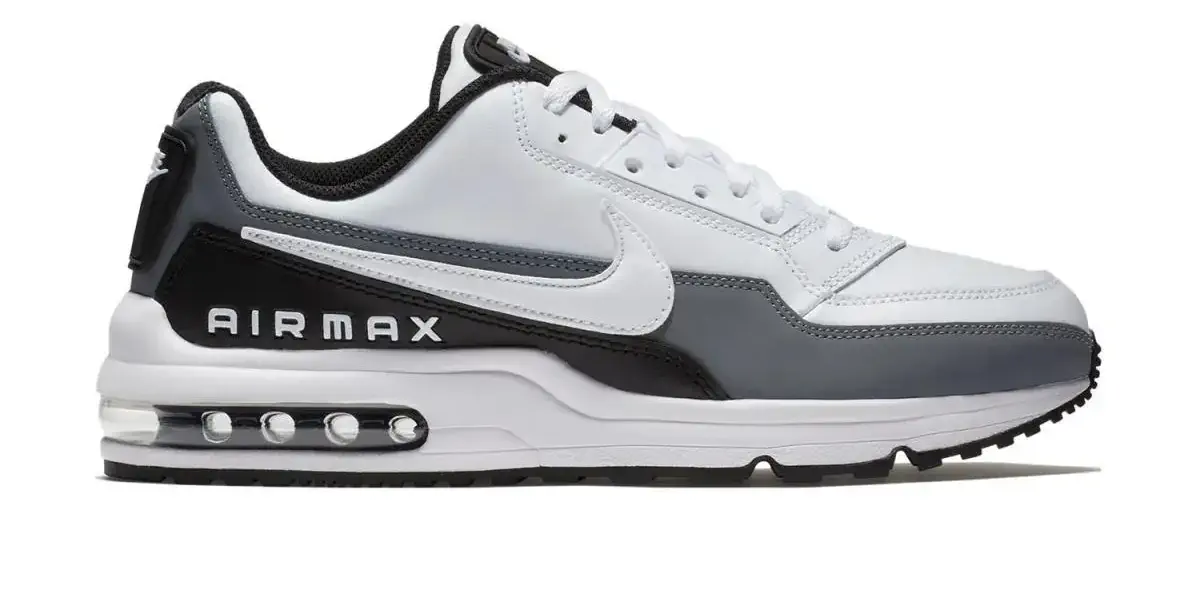
United States: Nike leads a highly competitive market
In the United States, Nike shoes remain one of the most visible choices across running, gym training, basketball and casual fashion. The brand's ability to move between serious sport and collectible sneaker culture gives it an exceptionally wide audience.
However, the American market is far from a one-brand story. New Balance has become a major fashion and performance favorite, while Brooks enjoys a strong reputation among everyday runners. Hoka has also moved rapidly from running specialty stores into mainstream wardrobes, helped by its thick cushioning and unmistakable silhouette.
For gym-focused shoppers, Under Armour remains relevant, particularly among consumers who prefer a direct, athletic look. Adidas adds another layer through running shoes, classic trainers and styles that work as easily on the street as they do during light training.
Canada: comfort that can handle an active lifestyle
Canadian shoppers often need shoes that can move between urban life, exercise and changing weather. Nike and Adidas remain major names, but New Balance, Hoka and Salomon have a natural advantage among consumers who prioritize walking comfort, outdoor use and reliable traction.
Salomon footwear is especially relevant when the line between training shoe and outdoor shoe begins to blur. Its technical appearance also fits the global fashion trend that has turned trail-inspired shoes into everyday streetwear.
United Kingdom: Adidas, Nike and a strong trainer tradition
The United Kingdom has one of the world's most recognizable trainer cultures. Adidas benefits from decades of connection to football, music and street style, while Nike remains powerful across running, football and lifestyle footwear. New Balance has found a particularly stylish audience, and Hoka and ASICS continue to grow among runners and shoppers searching for all-day cushioning.
The British market is also a good example of why the term "training shoe" can mean different things. One shopper may be looking for a stable gym shoe, while another uses "trainer" to describe almost any athletic-inspired sneaker. Brands that can satisfy both interpretations have the broadest appeal.
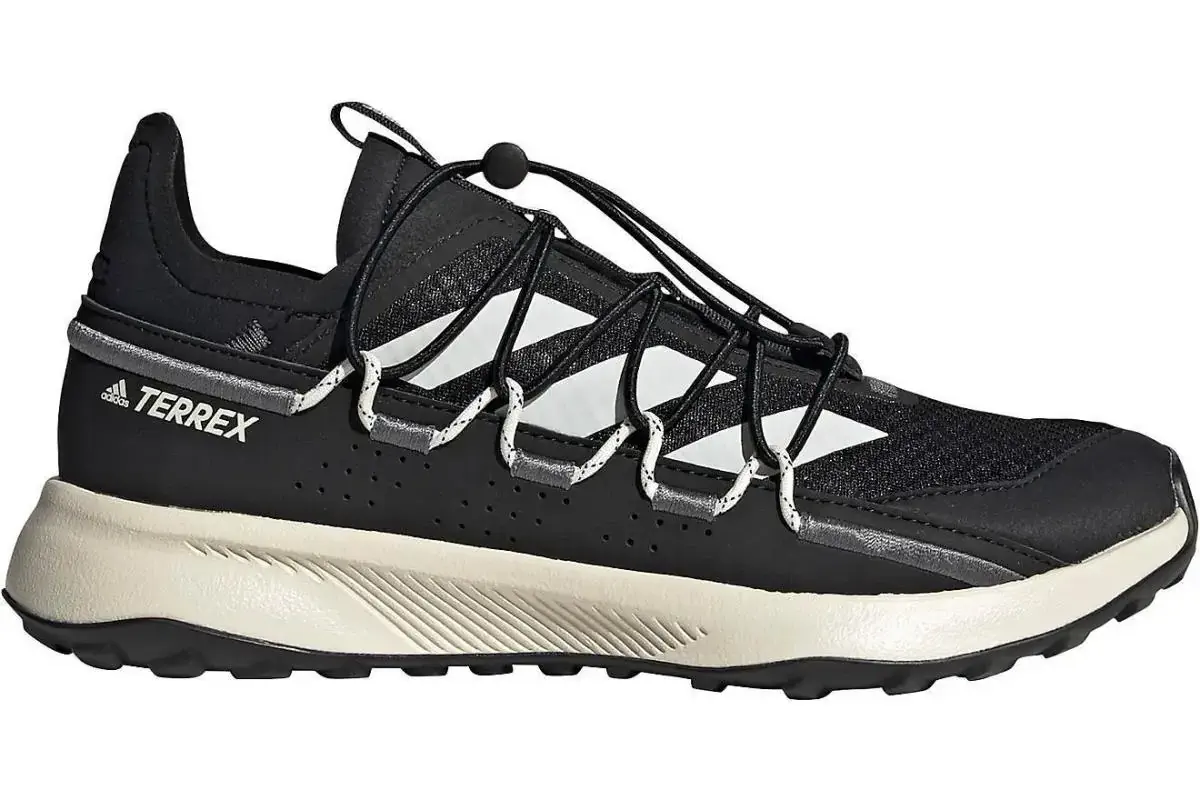
Germany: home advantage for Adidas and Puma
Germany is naturally one of the strongest markets for Adidas shoes and Puma footwear. Both brands combine local heritage with international reach, and both are closely connected to football, running and casual sportswear.
German shoppers also tend to appreciate practical design and technical credibility, which helps brands such as ASICS compete strongly. Nike remains highly visible, but the country's own sportswear history gives Adidas and Puma an emotional advantage that is difficult for international rivals to reproduce.
France: where technical footwear becomes fashion
French footwear tastes often mix performance with a carefully styled sense of effortlessness. Nike and Adidas are major sellers, but Salomon has developed a particularly fashionable position. Shoes that were once associated mainly with mountains and trail running are now worn with wide-leg trousers, technical jackets and contemporary city looks.
Hoka follows a similar path. Its oversized soles make a clear visual statement, while the cushioning appeals to runners, walkers and people who spend long hours on their feet. New Balance also fits naturally into the French market because many of its designs feel sporty without looking overly aggressive.
Italy and Spain: sport, style and football influence
In Italy, even a practical training shoe is expected to look considered. Nike, Adidas, Puma and New Balance all perform well because their collections include styles that can cross from exercise into everyday fashion. Sleeker profiles and strong color combinations often feel more attractive than shoes that look purely technical.
Spain shares the powerful influence of football culture. Adidas, Nike and Puma remain highly recognizable, while ASICS appeals to runners who are shopping primarily for support and comfort. In both countries, brand popularity is closely tied to the ability to balance athletic identity with a polished casual look.
Switzerland: On becomes a national and global favorite
Switzerland stands out because On running shoes have become a homegrown success with international appeal. The brand's distinctive sole design, clean branding and modern color palette make its shoes feel technical without losing their minimalist edge.
On competes with Adidas, Nike, ASICS and Salomon, but its Swiss identity gives it a special position in the local market. It is also one of the clearest examples of a running brand becoming a genuine lifestyle label without abandoning its performance image.
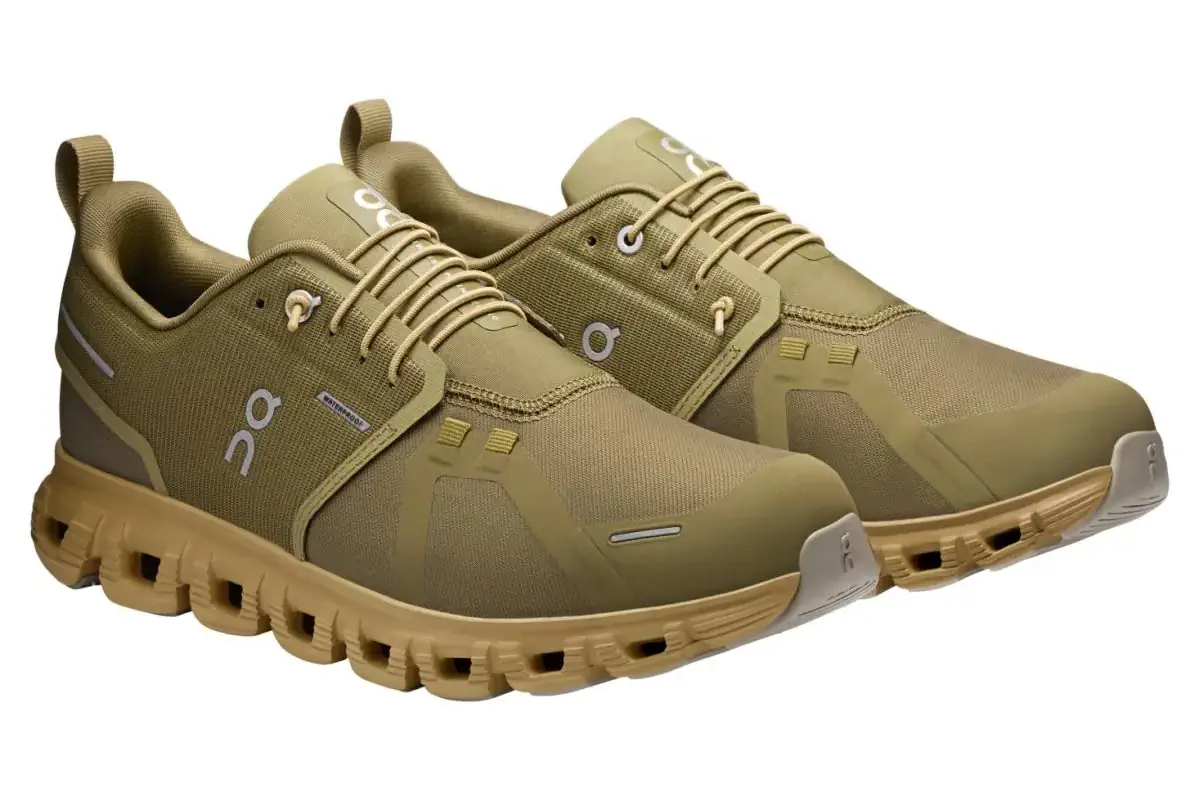
Japan: ASICS and Mizuno combine performance with local trust
Japan has a highly developed running culture and a strong appreciation for precise product design. That creates an ideal market for ASICS shoes and Mizuno footwear. Both brands are respected for technical performance, dependable fit and long-standing involvement in sport.
Nike, Adidas and New Balance also have major followings, particularly where sport meets fashion. Japanese consumers are often comfortable mixing global icons with more specialized models, creating a market where a performance running shoe can become part of a carefully curated everyday outfit.
South Korea and China: fast-moving sneaker and fitness markets
South Korea's fashion-driven consumer culture gives Nike, Adidas and New Balance strong visibility. Athletic shoes are frequently styled with oversized casual clothing, tailored separates and minimalist outfits, so a successful training shoe must often work as a fashion piece too. ASICS and Hoka have also benefited from the growing popularity of technical-looking footwear.
China is a vast and varied market where global brands compete with powerful domestic sports labels. Nike and Adidas remain widely recognized, while Skechers has broad appeal among comfort-focused shoppers. Local brands are an essential part of the market, but international labels continue to attract buyers through major sports partnerships, distinctive designs and premium product lines.
Australia: running and outdoor comfort matter
Australia's active, outdoor-oriented lifestyle creates strong demand for running shoes that feel comfortable in warm conditions. ASICS has a particularly established presence, while Nike, New Balance, Hoka and Brooks appeal to runners and walkers looking for dependable cushioning.
Trail and outdoor brands also fit naturally into the market. Salomon and Altra can appeal to shoppers who divide their training time between roads, parks, trails and longer outdoor adventures. You can explore Altra shoes for designs centered on natural foot positioning and roomier toe shapes.
Brazil: football energy meets gym culture
Brazil's athletic footwear market is heavily influenced by football, fitness and an energetic approach to color. Nike, Adidas and Puma are natural leaders because of their connection to football and their wide range of lifestyle designs. ASICS is also well established among runners and consumers who prioritize reliable comfort.
Training shoes in Brazil often need to feel light, breathable and versatile enough for warm weather. Bold color combinations can perform especially well in a market where athletic style is not expected to be quiet.
Israel and the Middle East: all-day comfort with a sporty look
In Israel, training shoes are worn for far more than formal workouts. Walking, commuting, gym sessions and casual daily life often happen in the same pair. Nike and Adidas remain widely popular, while New Balance, Hoka, Brooks and ASICS attract shoppers who prioritize cushioning and support.
Across Gulf markets, including the United Arab Emirates, international labels have a strong presence in major shopping centers. Nike, Adidas, Skechers and Under Armour appeal to customers who want recognizable branding, gym-ready performance and shoes that still feel appropriate for everyday wear.
The global brands that keep winning across borders
Nike and Adidas: the worldwide powerhouses
Nike and Adidas remain the two names with the widest international reach. Their advantage comes from scale, but also from variety. Both brands can sell a serious running shoe, a gym trainer, a football boot and a retro-inspired sneaker without confusing their identity.
They also understand that shoppers do not separate sport and fashion as neatly as they once did. A successful shoe may need to perform during a workout in the morning and still look right at dinner later that day.
ASICS, Brooks and Saucony: trusted by runners
For many runners, popularity is built through repeat purchases rather than hype. ASICS, Brooks and Saucony have developed loyal followings by offering recognizable cushioning systems, supportive options and models designed for different running needs.
These brands may not dominate casual sneaker culture in every country, but they can be among the first names serious runners consider when replacing a trusted pair.
Hoka and On: modern performance with visual impact
Hoka and On represent a newer generation of international bestsellers. Hoka became instantly recognizable through high cushioning and oversized soles. On took a cleaner route with distinctive underfoot technology and a restrained Swiss-inspired aesthetic.
Both brands prove that technical design can become a fashion signature. Their shoes are chosen by runners, travelers, healthcare professionals, commuters and style-conscious shoppers who simply want a comfortable everyday pair.
New Balance: the crossover expert
Few brands move between performance and fashion as naturally as New Balance. Its running shoes maintain technical credibility, while its lifestyle models have become favorites among sneaker collectors, fashion enthusiasts and consumers who prefer understated branding.
That flexibility makes New Balance particularly strong in markets where people want one shoe to cover several parts of daily life.
Skechers, Puma, Reebok and Under Armour
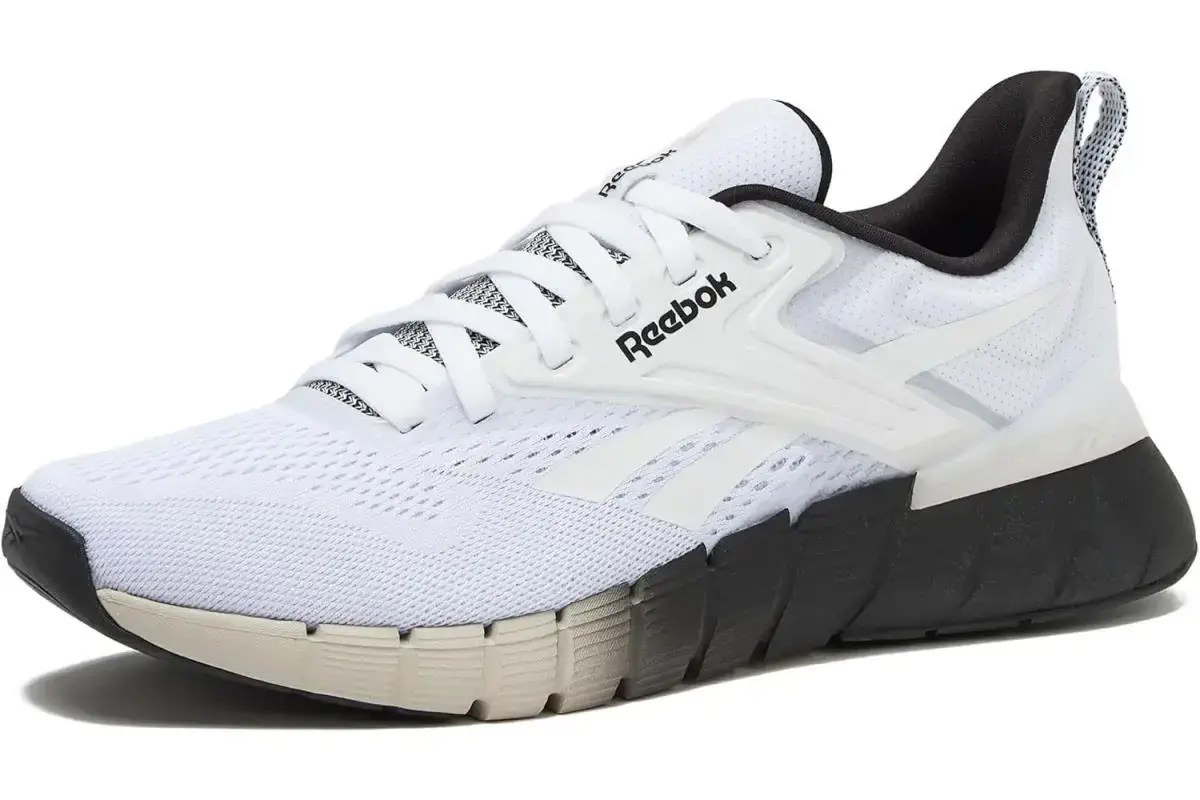
Skechers has a wide global audience because comfort and accessibility are central to its identity. Puma combines football heritage with fashion-led designs, while Reebok remains closely associated with gym training, retro fitness and classic athletic style.
Under Armour has a more direct performance image and appeals to shoppers who want footwear that looks purpose-built for training. Each brand occupies a slightly different space, proving there is no single formula for international success.
How to choose the right training shoe for you
A bestseller is a useful starting point, but popularity should never replace fit. Before choosing a shoe, think honestly about how you will use it.
For road running, look for cushioning, flexibility and a smooth transition through each step. For weight training, a lower and more stable platform may feel better than a tall, soft running sole. For mixed gym sessions, choose a versatile trainer that offers enough cushioning for short cardio workouts without feeling unstable during strength exercises.
Foot shape matters just as much as activity. Some brands are known for roomier fits, while others feel narrower or more sculpted. The correct size can also vary between brands and even between two models from the same company.
Climate should influence your decision too. Breathable mesh can be ideal in warm countries, while more protective uppers and grippy soles may be useful in wet or colder regions. Finally, choose a style you genuinely enjoy wearing. The best training shoe is often the one you reach for consistently.
Frequently asked questions
What are the most popular training shoe brands worldwide?
Nike and Adidas have the broadest global recognition. ASICS, New Balance, Hoka, Brooks, On, Puma, Saucony and Skechers are also highly popular, although their strength varies by country and athletic category.
Does the best-selling training shoe automatically offer the best fit?
No. A shoe may become a bestseller because of its design, marketing, availability or association with athletes. Your ideal pair still depends on foot shape, training type, cushioning preference, support requirements and individual comfort.
Which brands are especially popular for running shoes?
ASICS, Brooks, Hoka, New Balance, Saucony, Mizuno, Altra and On are especially well known among runners. Nike and Adidas also produce extensive collections for daily running, speed training and racing.
Why are different training shoe brands popular in different countries?
Local sports, weather, national brand heritage, retail availability, fashion trends and typical training habits all influence which brands become popular. A trail-focused market may favor Salomon, while a football-focused country may lean more heavily toward Adidas, Nike or Puma.
Can training shoes also be worn as everyday shoes?
Yes. Many modern training and running shoes are designed in colors and silhouettes that work well with casual clothing. However, shoes used for serious training may last longer when they are not also worn for every commute, shopping trip and daily activity.
Final takeaway
The world's best-selling training shoe brands reflect more than athletic performance. They reveal how people live, exercise, travel and dress in different countries. Nike and Adidas may have the widest reach, but regional favorites such as ASICS in Japan, On in Switzerland and Salomon in France show that local culture still matters.
The most exciting part of today's market is the variety. Some shoppers want maximum cushioning, others want a stable gym platform, and many simply want a comfortable shoe that looks good beyond the workout. Start with the brands that are popular in your country, but choose the pair that fits your own feet, activity and personal style.
Explore all shoes available online, compare the latest running shoe styles or shop by your favorite name in the SporTipTop brand directory.