
Nike makes plenty of running shoes with premium cushioning systems, technical uppers and features built for serious mileage. The Nike Star Runner and Nike Flex Experience take a simpler approach.
Both focus on lightweight comfort, flexible movement and the kind of versatility that makes a shoe useful beyond running. They are relatively uncomplicated Nike models that can work for walking, school, light exercise and everyday casual wear, depending on the specific version and size.
There is, however, an important difference before comparing them directly. The current Nike Star Runner line is primarily designed for kids, while the Nike Flex Experience Run is an adult road-running shoe. Nike currently sells the Star Runner 5 as an older-kids' and younger-kids' running model, while the Flex Experience Run 12 is offered in men's and women's versions.
That means this is not quite a traditional comparison between two interchangeable running shoes. It is more useful to look at the question shoppers are actually asking: how does Nike's simple, traction-focused Star Runner approach compare with the lightweight, flexibility-focused Flex Experience?
The short answer is straightforward.
Nike Star Runner vs. Flex Experience at a Glance
| Feature | Nike Star Runner | Nike Flex Experience |
|---|---|---|
| Main purpose | Kids' running and everyday activity | Adult road running and everyday fitness |
| Cushioning | Soft foam cushioning | Low-profile foam cushioning |
| Flexibility | Flexible, but traction oriented | Major focus of the design |
| Outsole | More pronounced grip and rubber traction | Flex grooves designed for natural movement |
| Upper | Lightweight, breathable construction | Soft, lightweight upper |
| Ground feel | More protected and grippy | Lower and more flexible |
| Best for | School, playground, walking, casual running | Walking, gym sessions, short runs, casual wear |
| Main advantage | Traction and durability | Flexibility and natural movement |
| Main limitation | Primarily a children's shoe line | Limited cushioning for longer-distance running |
Exact materials and construction can vary between Star Runner and Flex Experience generations, so shoppers should always check the specifications of the individual model number before ordering.
What Makes the Nike Star Runner Different?
The Star Runner is built around a simple idea: children need a lightweight athletic shoe that can handle more than one type of surface.
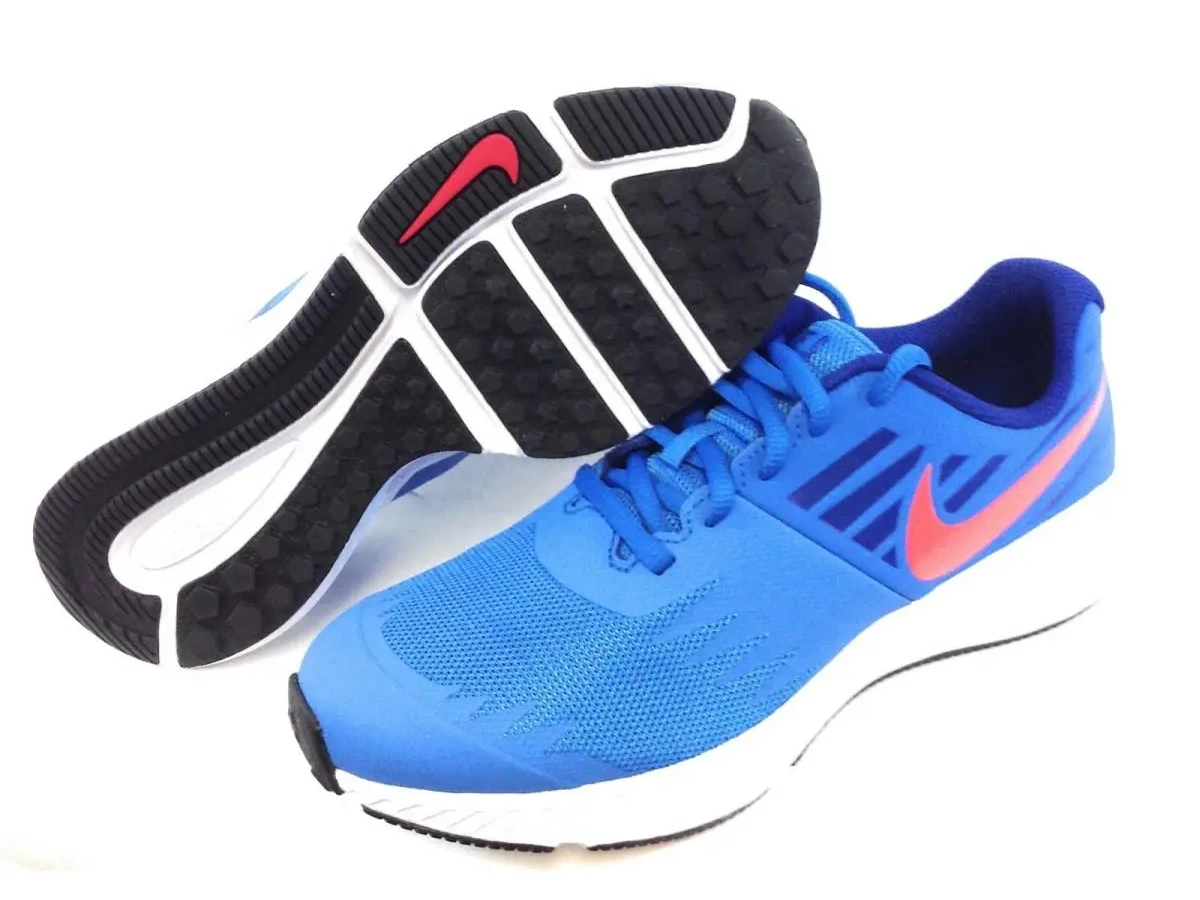
That is apparent in the current Star Runner 5. Nike uses foam through the midsole to provide soft, springy cushioning, but a major part of the shoe's design is underneath the foot. Durable rubber lugs are positioned on the outsole to increase traction. Nike specifically describes the traction as useful where young runners need grip most.
The previous Star Runner 4 followed a similar philosophy. Nike described its tread as being designed to grip pavement, grass and gravel, while a rubber-wrapped toe added durability to an area that can take considerable abuse during children's everyday wear. The upper also incorporated vertical mesh for ventilation.
That tells you quite a lot about the personality of the Star Runner.
It is not designed purely around running efficiency. It needs to cope with running across a playground, stopping quickly, walking to school, playing on grass and spending the rest of the day as a normal sneaker.
For a child who uses one pair of athletic shoes for several activities, that makes sense.
What Makes the Nike Flex Experience Different?
The Flex Experience takes almost the opposite approach underneath the foot.
Rather than emphasizing aggressive traction, Nike emphasizes freedom of movement.
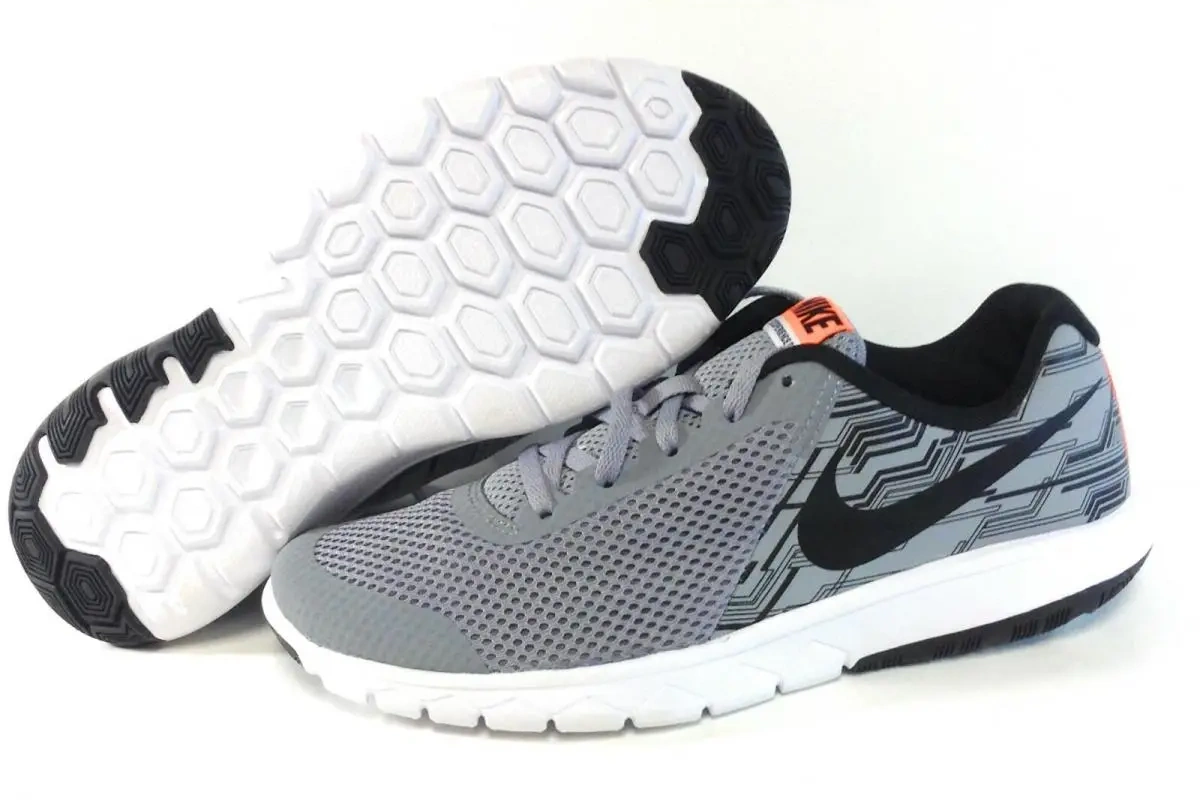
On the Flex Experience Run 12, grooves cut into the outsole allow the foot to flex more naturally. Nike also uses a relatively low foam stack, keeping the shoe light and helping the wearer feel closer to the ground. The upper is described by Nike as soft and comfortable, wrapping around the foot rather than relying on a bulky support structure.
The previous Flex Experience Run 11 followed the same formula. Flex grooves allowed the foot to transition naturally from heel to toe, while reducing the amount of foam helped increase flexibility and reduce weight.
So although both Nike shoes appear simple and lightweight, they are simple for different reasons.
The Star Runner tries to provide an uncomplicated shoe that works across different types of everyday activity.
The Flex Experience strips away unnecessary bulk so the shoe can bend easily with the foot.
Cushioning: Which Shoe Feels Softer?
Neither model is intended to compete with Nike's more heavily cushioned running shoes.
Both use foam-based cushioning, but the sensation should be different.
Nike describes the Star Runner 5's foam midsole as soft and springy. The Star Runner 4 similarly uses soft midsole cushioning intended to provide a comfortable feel while children run and play.
The Flex Experience Run 12 deliberately uses a lower foam stack. That makes the shoe lighter and more flexible, but it also means that shoppers should not expect the deep cushioning found in a high-mileage running shoe. Nike customer feedback for the Flex Experience Run 12 also includes comments praising the lightweight flexibility while some users report wanting more cushioning or support for longer runs.
For short runs, walking and casual exercise, that minimalist feel can be an advantage.
For long-distance running, runners who prefer substantial impact protection may want a more cushioned Nike model.
Flexibility: The Flex Experience Has the Edge
This is the easiest category to call.
The Nike Flex Experience is the better choice when flexibility is the main requirement.
Flexibility is not simply an added feature of the shoe. It is one of the central ideas behind the Flex Experience line.
The outsole grooves are designed to allow the foot to bend and move freely, and the low stack keeps excess material from restricting that movement. Nike itself highlights outsole flexibility as a defining feature of the Flex Experience Run 12.
The Star Runner is not stiff. Earlier versions have also incorporated flexible elements into their soles. But traction, durability and all-purpose movement receive more emphasis.
If you like a shoe that bends easily during walking, bodyweight exercises or short runs, the Flex Experience has the clearer advantage.
Traction: The Star Runner Has the Edge
Turn the shoes over and their priorities become much easier to understand.
The current Star Runner uses durable rubber lugs intended to create traction, while the Star Runner 4 was designed to grip surfaces including pavement, grass and gravel.
The Flex Experience outsole is much more concerned with flex.
That does not mean the Flex Experience lacks traction. It simply means grip is not the feature around which Nike describes the shoe.
For everyday running on paved surfaces, that is unlikely to matter much. For children moving between pavement, playgrounds and grass, the additional emphasis on traction in the Star Runner is useful.
Which Is Better for the Gym?
For an adult choosing a shoe for light gym sessions, the Flex Experience is the more logical option.
Its flexible sole can work well for treadmill walking, easy running, machine exercises, bodyweight movements and general fitness sessions. Nike has also highlighted the Flex Experience Run 12 as a lightweight shoe with flexibility and a low stack that can help with stability during activities such as skipping.
There is an important limit here.
Neither shoe should be confused with a specialized lifting or high-intensity training shoe.
Heavy squats, deadlifts, aggressive lateral movements and CrossFit-style training place different demands on footwear. Nike has dedicated training models with features specifically developed for those situations.
Think of the Flex Experience as a running-inspired shoe that can handle a casual gym session, not as a replacement for a dedicated training shoe.
Which Is Better for Running?
It depends heavily on the runner.
For adult recreational road running, the Flex Experience is the relevant choice because that is the market Nike designed it for.
The low-profile cushioning and flexible outsole suit runners who like a lightweight, relatively natural feel. It makes the most sense for shorter runs, occasional jogging and people who do not want a heavily structured shoe.
The Star Runner serves the same broad need for younger runners. Its foam cushioning, lightweight construction and added traction are suited to the way children tend to use running shoes, where a run can quickly turn into playground activity or movement across grass and other surfaces.
For regular adult distance running, neither comparison should be reduced to price alone. Cushioning preference, foot shape, weekly mileage and required support matter more.
Which Is Better for Walking and Everyday Wear?
This is where the two models are closest in spirit.
Neither looks excessively technical, and both use relatively clean, low-profile athletic styling. That makes them easy to wear outside a dedicated running session.
The Flex Experience is particularly appealing for adults who spend a lot of time walking and prefer a shoe that moves easily with the foot.
The Star Runner fills a similar role for children. It can go from school to casual play to light running without requiring a change of shoes.
In other words, both work well as "one pair for most of the day" athletic shoes within their respective age and size categories.
Star Runner vs. Flex Experience: Are They Really Similar?
Yes, but with an important qualification.
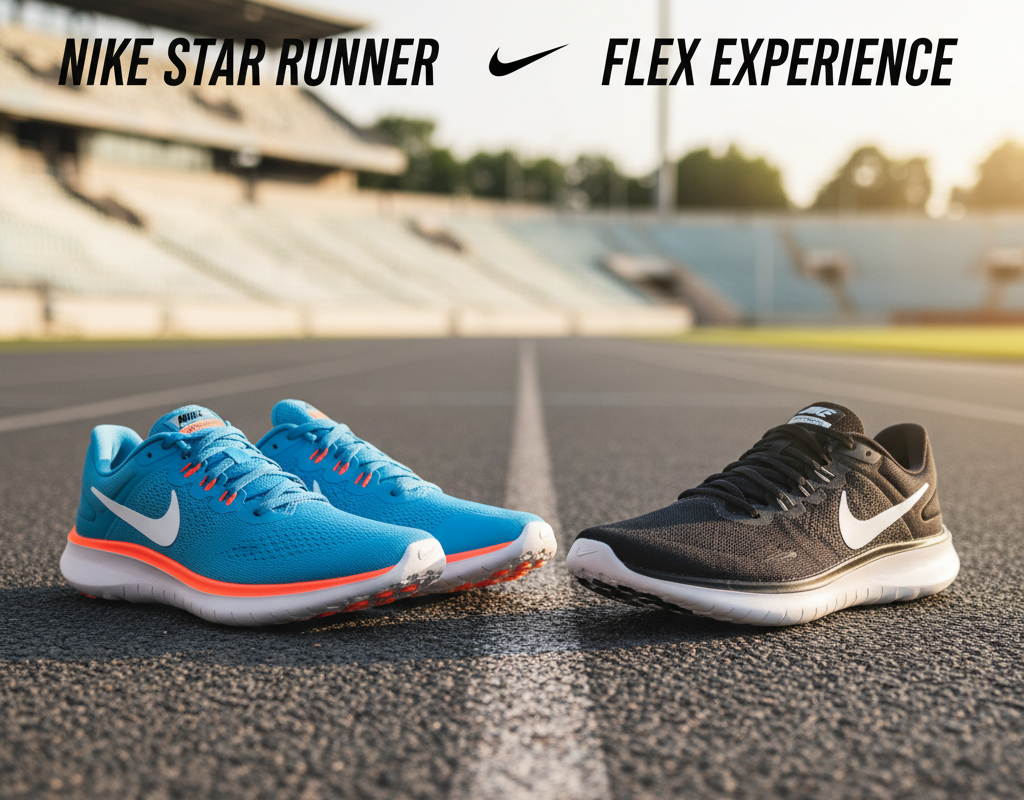
They are similar in design philosophy and buying intent, rather than being direct versions of the same shoe.
Both sit toward the simpler end of Nike's running footwear range. Neither relies on a complicated visible cushioning system or a heavily engineered racing setup. Both emphasize low weight, foam cushioning and versatility.
They can also appear close together in value-focused retail searches. Nike shoe, for example, can include Star Runner and Flex Experience models among its broader athletic inventory, although prices vary considerably by model, size, generation and current stock.
The difference is what Nike does with that simplicity.
With the Star Runner, the brand adds grip and durability for younger users who may encounter several surfaces during the same day.
With the Flex Experience, Nike removes bulk and uses outsole grooves to encourage easier bending and more natural foot movement.
That is a small design distinction visually, but it creates a noticeable difference in how the shoes are intended to perform.
Nike Star Runner vs. Flex Experience: Which Should You Buy?
For most shoppers, the decision is easier than the similar appearance of these shoes might suggest.
Buy the Nike Star Runner for a child who needs an everyday athletic shoe with cushioning, grip and enough versatility for running, walking, school and play.
Buy the Nike Flex Experience for an adult who wants a lightweight, flexible shoe for walking, short road runs, treadmill sessions, light workouts and casual wear.
If traction is the deciding factor, the Star Runner design has the advantage.
If flexibility and natural movement matter more, the Flex Experience is the stronger choice.
And if you are shopping for serious distance running or demanding strength and cross-training workouts, it is worth moving beyond both models and browsing the wider trainers shoe for footwear designed more specifically for that activity.
Frequently Asked Questions
Is the Nike Star Runner good for everyday use?
Yes. Nike designs the Star Runner as a versatile children's running shoe, and features such as foam cushioning, breathable construction and durable traction make it practical for school, walking, running and general everyday activity.
Is the Nike Flex Experience good for walking?
Yes. Its lightweight construction, low foam stack and flexible outsole make it well suited to everyday walking, particularly for people who prefer a shoe that bends easily with the foot.
Can you use the Nike Flex Experience in the gym?
It can work for light gym training, treadmill sessions, bodyweight exercises and general fitness. For heavy lifting or demanding multidirectional training, a dedicated training shoe is a better choice.
Which has better traction, Star Runner or Flex Experience?
The Star Runner places more emphasis on traction. Current Star Runner models use durable rubber lugs, while previous versions were designed to grip pavement, grass and gravel. The Flex Experience places more emphasis on outsole flexibility.
Which is more flexible?
The Flex Experience. Its outsole grooves and relatively low amount of foam are specifically designed to promote freer, more natural movement.
Final Verdict
The Nike Star Runner and Nike Flex Experience are built from a similar basic recipe: lightweight construction, foam cushioning, uncomplicated styling and enough versatility to be worn for more than running.
The difference is underneath the foot.
The Star Runner favors traction and everyday durability, making sense for active kids moving between different surfaces.
The Flex Experience favors flexibility and a low-profile ride, making it the stronger option for adults who want a simple shoe for walking, casual running and light fitness.
Neither tries to be Nike's most technical running shoe. That is precisely where their appeal lies. For shoppers who want straightforward comfort without paying for features they may never use, both models offer a practical interpretation of the everyday Nike running shoe.