
WE SHIP WORLDWIDE
Everything You Should Know About Moisture Wicking Sportswear Fabrics
One of the best innovations in fabrics in recent years was the introduction of moisture wicking materials. This has become a game-changer for hikers, athletes, and anyone who wants to remain cool and comfortable. Moisture wicking fabrics have become a staple in outdoor gear, active wear, and even everyday clothing.
What follows is everything you should know about moisture wicking fabrics, so you can make the best-informed decision about whether they are right for you.
What is Moisture Wicking Fabrics?
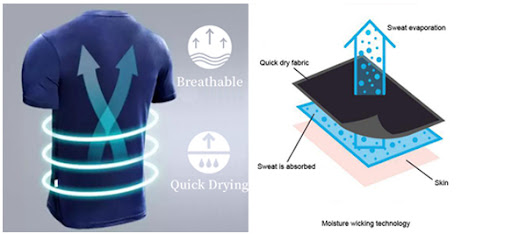
These are textiles that are designed to pull sweat away from the body. The result is that the sweat evaporates quickly which leaves the wearer dry and comfortable. Standard cotton clothing tends to absorb moisture which makes them heavy and uncomfortable when wet.Moisture wicking fabrics brings sweat to the surface where it dries must faster. This helps to maintain a constant body temperature and keeps you comfortable even when engaging in intense physical activities.
How It Works
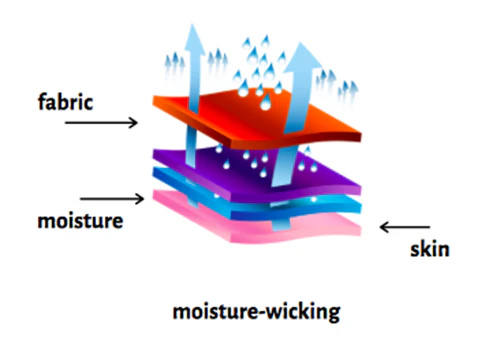
The moisture wicking fabrics use two methods. The first is capillary action where the tiny fibers act like small tubes and draw moisture from the skin. This action spreads sweat to a wider surface area.When that happens, the moisture evaporates at a much faster rate. This happens because sweat is now on the surface of the clothing where it is subject to greater air circulation. This combination promotes comfort and reduces chafing and the growth of bacteria.
Shop Moisture Wicking Apparel
Benefits
The primary benefit of moisture wicking fabrics is that it helps keep you dry during workouts, playing sports, or just being out in hot weather. In addition, the fabrics prevent the buildup of sweat which can cause discomfort and chaffing.Because it dries quickly, it is less prone to retaining odor-producing bacteria which causes unpleasant smells to occur.
Materials
There are several types of fabrics used to wick moisture with some of the most popular included as the following.Bamboo: This is the environmentally-friendly option with the natural fibers wicking moisture away and also providing a antibacterial element as well.
Lycra: Also known as spandex, Lycra is often blended with other fabrics which help control moisture.
Merino Wool: A favorite for winter wear, merino wool is soft, breathable, and has a natural moisture wicking component.
Nylon: Strong with a smooth texture, nylon is well-known for its moisture-wicking abilities.
Polyester: Arguably the most widely used moisture wicking fabric, polyester is strong, durable, lightweight, and dries quickly. Many sportswear brands use polyester in their products.
Maintenance
Although most of the materials used in moisture wicking fabrics are quite durable, you will need to follow a few guidelines to ensure that they continue to work.
Shop Nike Dri-Fit
Understanding everything you should know about moisture wicking fabrics means that you can wear and maintain them for a long time. From active wear to casual clothing, you can find such materials in a wide range of colors and styles that best suit your needs.