
WE SHIP WORLDWIDE
Best Shorts for Every Sport and Hobby: How to Choose the Right Pair
I have bought the wrong shorts more than once. They looked good online, felt fine when I tried them on, and then the first real workout exposed everything. One pair kept riding up during a run. Another had pockets that bounced so much I stopped carrying my phone. I even had a pair that felt great for lifting, but was completely wrong on the bike.
That is the thing with sport shorts. You do not really judge them in front of a mirror. You judge them halfway through a sweaty run, during a heavy leg session, or after an hour in the saddle. The small details suddenly matter: the waistband, the fabric, the length, the liner, the pockets, the way the shorts move when you do. If you are shopping now, the shorts collection is a good place to start, but it is worth knowing what each type of short is actually good for.
For me, a great pair of shorts is not the pair I notice the most. It is the pair I forget about. No rubbing, no pulling, no awkward adjusting between sets, no heavy wet fabric after twenty minutes. Just comfort, movement, and the feeling that the shorts are doing their job.
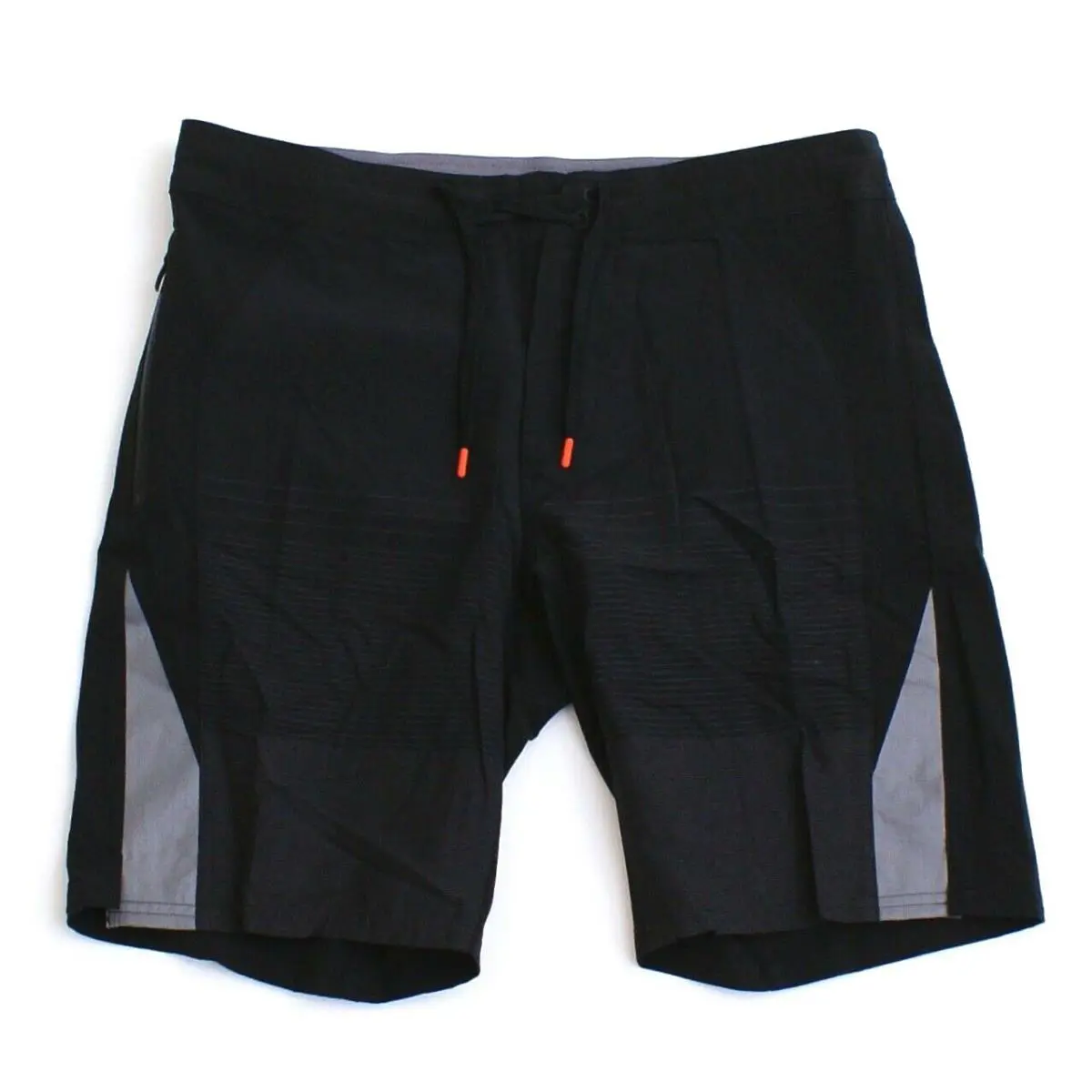
Start With the Activity, Not the Brand
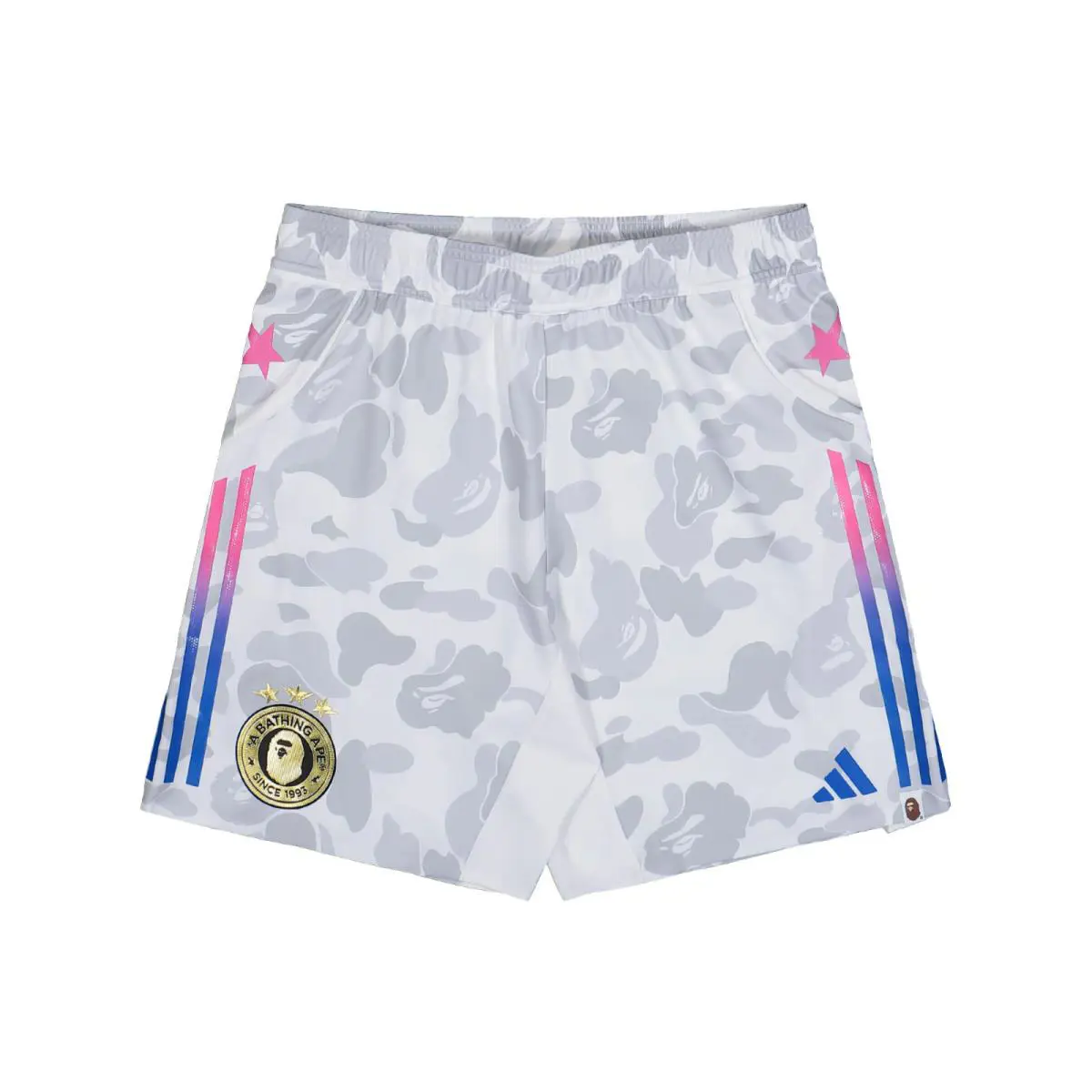
I like a good brand as much as anyone. There is a reason people keep going back to Nike shorts, Adidas shorts, and Puma shorts. They understand sport, they understand casual style, and they usually know how to make activewear that looks good outside the gym too. But the brand name should not be the first decision. The activity should be.
Running shorts have to be light. Cycling shorts need to care about padding and seams. Gym shorts need to survive squats, lunges, machines, and sometimes a quick treadmill finish. Basketball shorts need space and movement. Hiking shorts need pockets that are actually useful. One pair can sometimes cover a few jobs, but no pair does everything perfectly.
Before buying, I would think about the workout first. Are you going to sweat a lot? Are you going to carry keys or a phone? Will you be sitting on a bike seat, running downhill, squatting deep, or walking for hours? Once you picture the actual use, the right pair becomes much easier to spot.
Quick Shorts Buying Guide by Sport
| Sport or Hobby | Best Shorts Type | What to Look For |
|---|---|---|
| Running | Lightweight running shorts | Breathable fabric, secure waistband, short or mid inseam, liner, small zip pocket |
| Gym Training | Stretch training shorts | Flexible fabric, stable fit, no bunching, good range of motion |
| Basketball | Loose athletic shorts | Longer cut, durable material, room for jumping and lateral movement |
| Cycling | Padded cycling shorts or bib shorts | Compression fit, chamois padding, smooth seams, moisture control |
| Hiking and Travel | Utility or outdoor shorts | Quick-dry fabric, zip pockets, durable weave, comfortable waistband |
| Golf | Tailored performance shorts | Clean fit, stretch fabric, belt loops, polished appearance |
| Yoga and Pilates | Fitted or soft stretch shorts | High comfort, flexible waistband, squat-proof fabric, smooth seams |
Best Shorts for Running
Running is where bad shorts get exposed very quickly. You might get away with an average pair for a casual walk, but once you start running, every little flaw shows up. Fabric that holds sweat gets heavy. Loose pockets bounce. A rough seam can start rubbing. A waistband that seemed fine at home suddenly needs adjusting every few minutes.
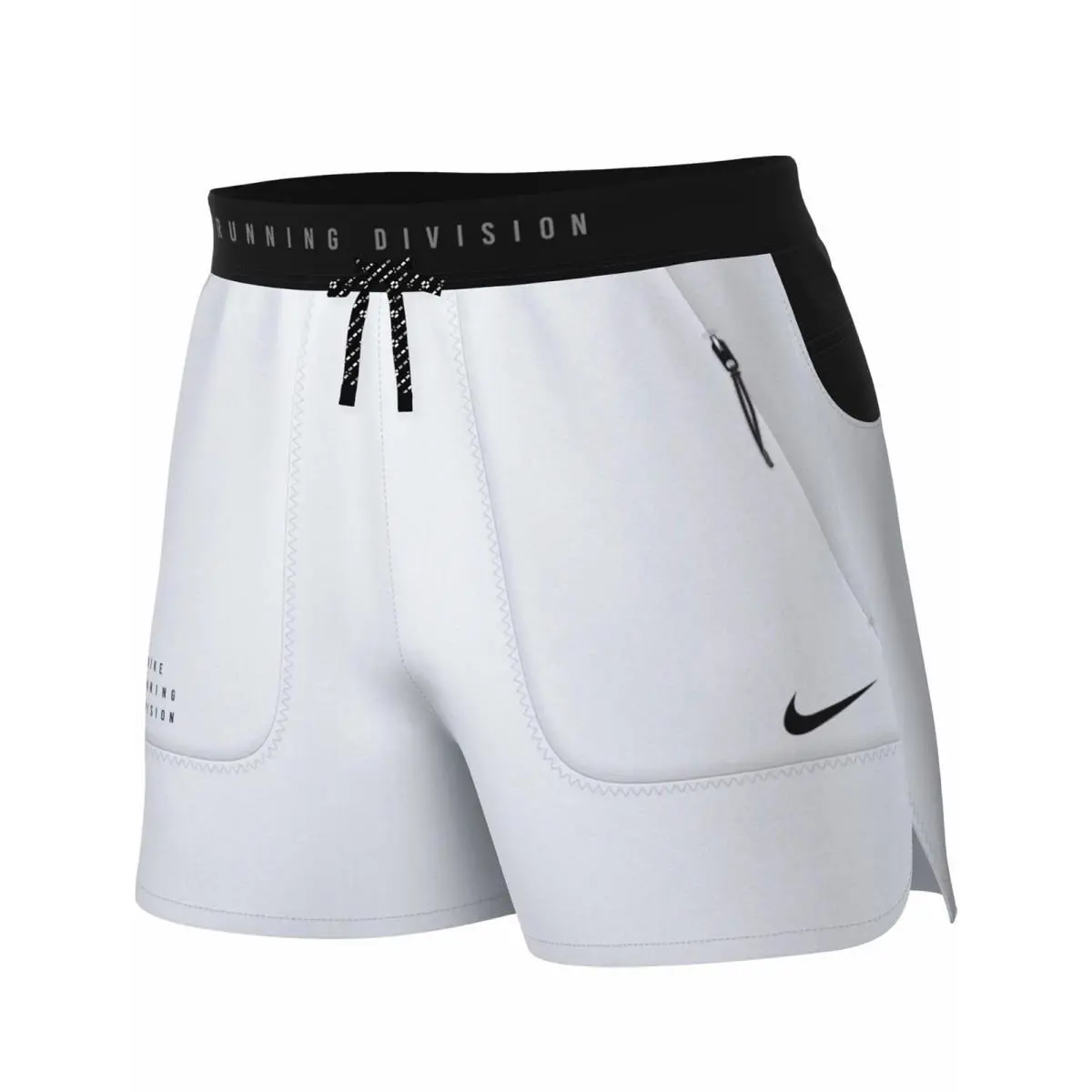
For running, I usually prefer shorts that feel light and simple. A shorter inseam gives the legs more freedom, especially on faster runs or hot days. Some runners like 3-inch or 5-inch shorts, while others feel better with a 7-inch pair. There is no one perfect length for everyone. The real question is whether the shorts let your stride open naturally.
A liner can also make a big difference. It gives support without needing extra layers, which is helpful when it is warm. Pockets should be small, secure, and placed where they do not bounce. A zip pocket for a key or card is much better than a big open side pocket. And if you are taking running seriously, do not stop at the shorts. The right running shoes will do just as much for comfort as anything you wear above them.
Best Shorts for Gym Training and Cross-Training
Gym shorts are harder to choose than people think because gym training is not one movement. You might squat, lunge, row, press, stretch, jump, use machines, and finish with cardio. A pair that works for upper body day might feel completely wrong when you start training legs.
For lifting, I want shorts that sit securely at the waist and have enough stretch through the hips and thighs. The squat test is still the easiest test. Put them on, squat, and see what happens. If the fabric pulls, the waistband shifts, or the legs ride up too much, the shorts will probably annoy you later.
For cross-training or high-intensity sessions, a 2-in-1 short can be a good option. The inner layer keeps everything in place, and the outer layer gives a more relaxed look. I also pay attention to pockets in the gym. Big pockets can get in the way when you sit on a bench or use machines. Smooth seams help too, especially if you train often. If you like a closer fit, it is worth comparing shorts with tights or compression layers for certain workouts.
Best Shorts for Basketball
Basketball shorts need room. The game has jumps, cuts, short sprints, quick stops, and a lot of side-to-side movement. This is not the place for narrow shorts that pull across the thighs. A good basketball short should feel relaxed, but not sloppy.
The classic basketball fit usually lands around the knee or just above it. The fabric should breathe, but it should also feel strong enough for outdoor courts, sitting on rough benches, and going through the wash again and again. A good waistband matters here too, because once you start moving hard, you do not want to keep pulling the shorts back into place.
Basketball shorts also have the advantage of looking natural off the court. With a clean T-shirt and sneakers, they can easily work as weekend wear. Not every sport short does that well.
Best Shorts for Cycling
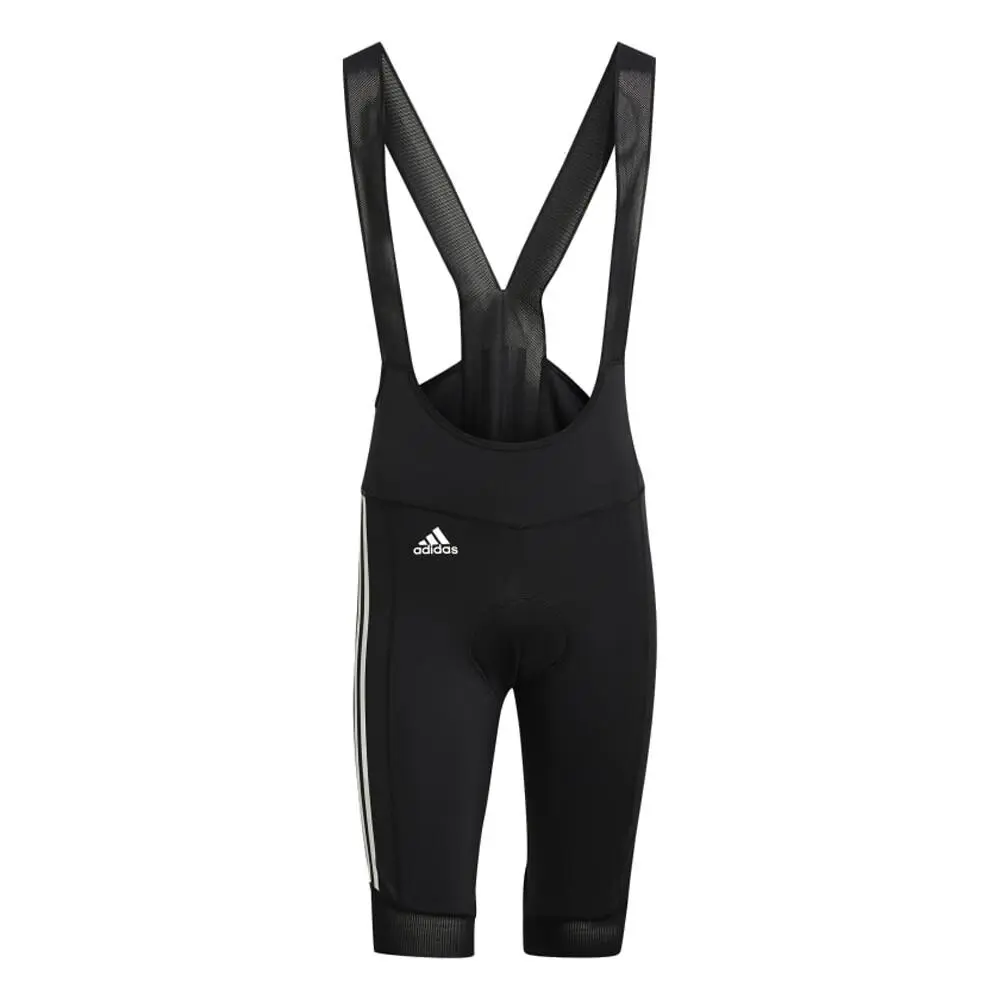
Cycling shorts are in their own category. You can run or lift in regular athletic shorts, but once you spend real time on a bike, regular shorts start to feel like the wrong tool. The saddle does not forgive bad seams, bunching fabric, or a lack of padding.
The padded section in cycling shorts, often called a chamois, is not there for looks. It helps reduce pressure and friction, especially on longer rides. For road cycling, fitted padded shorts or bib shorts usually feel best because they stay close to the body and do not move around while you pedal.
Bib shorts can look a little serious at first, but they are popular for a reason. Without a tight waistband, they can feel much more comfortable on longer rides. For casual cycling or commuting, a looser short with a padded liner underneath can be a nice middle ground. But if cycling is your main sport, choose cycling shorts. Your body will thank you after the ride.
Best Shorts for Hiking, Walking, and Outdoor Hobbies
Outdoor shorts need to be useful before anything else. If you are hiking, traveling, camping, fishing, walking all day, or exploring a new city, you need shorts that can deal with sweat, sitting, pockets, weather, and plenty of movement.
I would not choose heavy denim or thick cotton for long outdoor days. They can feel fine at first, but once they get wet or sweaty, they become uncomfortable. Lightweight nylon or polyester blends usually make more sense because they dry quickly and do not feel as heavy.
Pockets matter more outdoors than they do in the gym. Zip pockets are useful for keys, cards, or small travel items. The trick is finding pockets that hold what you need without making the shorts look bulky. A little stretch is also helpful if the day includes climbing, bending, sitting on rocks, or walking over uneven ground.
Best Shorts for Golf and Smart Casual Hobbies
Golf shorts have to look cleaner than regular gym shorts, but they still need to move. A stiff pair may look polished, but it will feel wrong when you walk the course or rotate through a swing. A good pair should have a neat shape, some stretch, and a waistband that feels comfortable for a full day.
This is also the kind of short that works well outside sport. You can wear it for travel, lunch, city walks, casual summer plans, or any day when athletic shorts feel too relaxed but trousers feel like too much. A performance chino-style short is one of those pieces that quietly does a lot.
The styling is easy too. A polo, clean sneakers, and a simple watch can make the whole outfit feel more finished. For a more refined touch, collections such as Obaku watches can work well with that smart casual shorts look.
Best Shorts for Tennis, Padel, and Court Sports
Court sports ask a lot from shorts. Tennis, padel, pickleball, and badminton all include quick changes of direction, short sprints, lunges, and sudden stops. You need something light enough to move in, but secure enough that you are not thinking about the shorts between points.
For tennis and padel, pockets are not just a bonus. They can be part of the game, especially if you like keeping a spare ball with you. The pockets should be deep enough to hold the ball but not so bulky that they swing around while you move.
A mid-length inseam usually works well for court sports. It gives enough coverage without getting in the way. If you play outside, breathable fabric and lighter colors can make hot matches feel a little more manageable.
Best Shorts for Yoga, Pilates, and Mobility Work
Yoga, Pilates, and mobility work are not high-speed sports, but they are very good at revealing bad clothing. If the shorts move around, turn see-through, dig into the waist, or feel rough on the mat, you notice it quickly.
For this kind of training, comfort and security matter most. Fitted shorts can work well because they stay in place when you bend, twist, or stretch. The fabric should feel soft but supportive, and it should not become transparent when stretched.
If you prefer a looser pair, I would choose one with a liner. That way you get the relaxed feel without worrying about coverage. Smooth seams are also worth checking. Something that feels minor when standing can become irritating during floor work.
How to Choose the Right Length
Shorts length is personal, but it also affects performance. For running, I usually like a shorter pair because it feels lighter and gives the legs more freedom. For gym training, I tend to prefer a mid-length short because it works for lifting, machines, warmups, and a bit of cardio. For basketball, hiking, or casual wear, a longer short can feel more natural.
A simple way to think about it: shorter for speed, mid-length for everyday training, longer for coverage and relaxed style. Still, comfort comes first. If you feel awkward in the length, you probably will not reach for that pair often.
Fabric Matters More Than You Think
Fabric is one of those things you only start caring about after a few bad workouts. Cotton can feel great when it is dry, but once you sweat, it can get heavy and clingy. That is why I usually prefer performance fabrics for running, cycling, and gym work.
Polyester and nylon blends tend to dry faster and hold their shape better. A bit of spandex or elastane adds stretch, which helps for squats, cycling, stretching, and lateral movement. For hiking or travel, quick-dry fabric is more useful than a soft cotton feel. For smart casual shorts, a stretch woven fabric gives a cleaner look without feeling stiff.
Common Mistakes When Buying Sport Shorts
The mistake I see most often is buying shorts only because they look good. I have done it too. Then the first real workout happens, and suddenly the waistband is sliding, the fabric is sticking, or the pockets are bouncing around like crazy.
Another mistake is expecting one pair to do every job. Some shorts are versatile, but running, cycling, and lifting all ask for different things. If you do a few sports regularly, it makes sense to have a small rotation instead of forcing one pair to handle everything.
Do not ignore the waistband either. It sounds small, but a bad waistband can ruin a pair of shorts. It should feel secure without digging in. You should not need to keep adjusting it every time you move.
Final Takeaway: The Best Shorts Fit Your Movement
The best shorts are not always the newest pair or the most expensive pair. They are the pair that fits the way you move. Running shorts should feel light and stay out of the way. Gym shorts should stretch without losing shape. Cycling shorts should support long time in the saddle. Basketball shorts should give room. Hiking shorts should be practical. Golf shorts should look clean but still move with you.
If you train, run, ride, walk, or just live in active clothes, it is worth choosing shorts with a little more thought. Start with your main activity, then look at fabric, fit, length, pockets, and support. A good pair of shorts will not make the workout easy, but it can make it much more comfortable.
FAQ: Choosing the Best Shorts for Your Sport
What are the best shorts for running?
For running, I would choose shorts that are light, breathable, and secure at the waist. A liner helps, and a small zip pocket is much better than loose side pockets if you carry a key or card.
Should workout shorts be loose or tight?
They should be somewhere in the middle. You need room to squat, lunge, and move, but you do not want so much loose fabric that the shorts shift around during training.
What length of shorts is best for sports?
Shorter shorts usually feel better for running. Mid-length shorts work well for gym training and general sport. Longer shorts are often better for basketball, hiking, and relaxed everyday wear.
What fabric should sport shorts be made from?
For active use, I would go with polyester, nylon, or performance blends with some stretch. They dry faster than cotton and usually feel better once you start sweating.