
WE SHIP WORLDWIDE
Best Crocs for Standing All Day: Classic, Bistro, On The Clock and Specialist II Compared
Standing all day changes what you need from a shoe. A pair that feels soft during a brief fitting can become tiring after hours on a hard floor. From an orthopaedic point of view, the shoe must cushion pressure, stay stable and match the safety demands of the workplace.
That is why the familiar Crocs Classic is not automatically the best option for every long shift. Crocs also makes work styles with enclosed uppers, more secure fits and work-focused traction. Here, I compare the Classic, Bistro, On The Clock and Specialist II from a practical foot-health perspective.
You can also browse the wider collection of Crocs shoes and clogs if you want to compare colors, sizes and alternative styles before deciding.
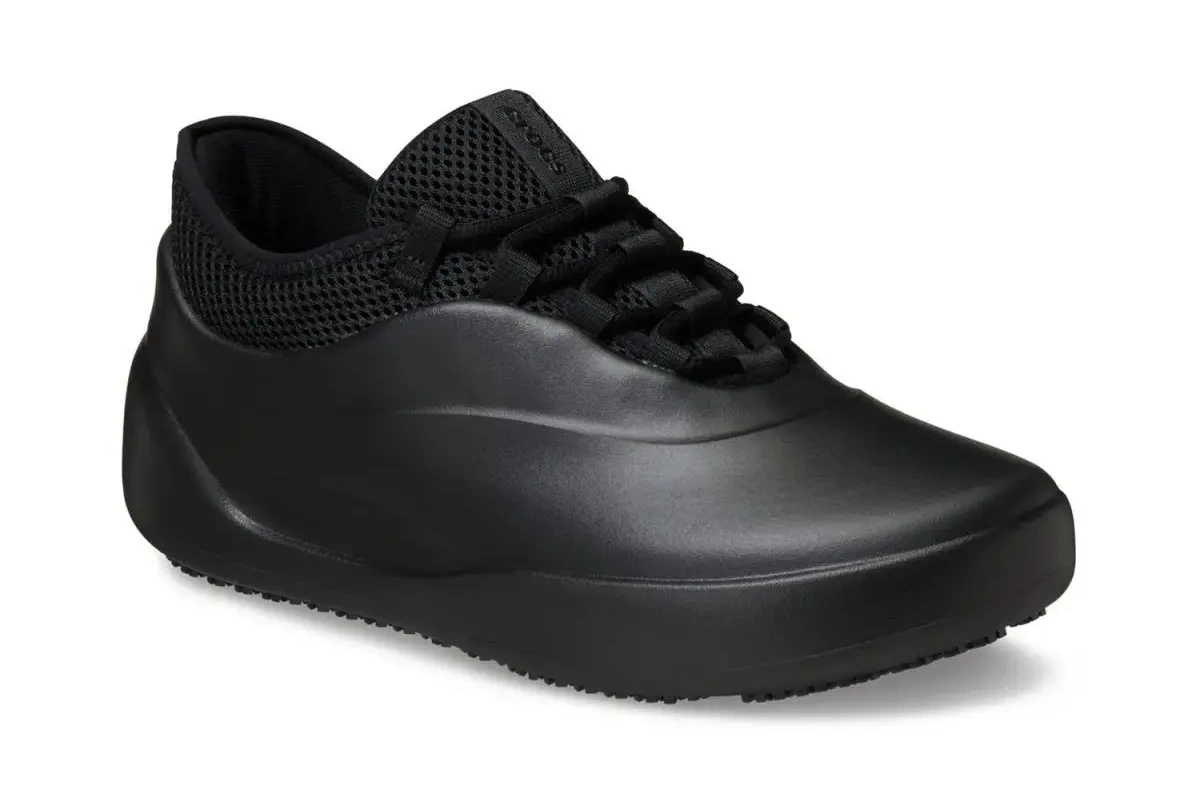
Quick answer: which Crocs are best for standing all day?
For demanding work on hard floors, I would usually choose a work-specific model rather than the Classic. The Crocs Bistro is the strongest option for kitchens, food service and other environments where spills and slippery surfaces are common. On The Clock is the best choice for someone who wants a more enclosed, conventional work-shoe shape. The Specialist II is particularly appealing for wider feet and workers who want a roomy clog with a more supportive footbed.
The Classic remains a good casual option for home, errands, gardening and lower-demand shifts. It is not my first recommendation where workplace rules require an enclosed heel, certified protective footwear or higher slip resistance.
| Model | Best for | Main strength | Main limitation |
|---|---|---|---|
| Classic Clog | Casual standing, errands and light-duty use | Lightweight, ventilated and roomy | Less heel containment and work protection |
| Bistro | Kitchens, hospitality and wet work areas | Slip-resistant tread, enclosed toe and easy cleaning | Warmer and less ventilated than the Classic |
| On The Clock | Healthcare, retail and service jobs | Enclosed shoe design with a secure heel | Fit can feel less roomy than a traditional Crocs clog |
| Specialist II | General work, wider feet and roomy comfort | Enhanced arch area and a thicker forefoot section | Bulky shape and limited ventilation |
What I look for in shoes for prolonged standing
Prolonged standing can contribute to foot fatigue, leg discomfort and lower-back strain, particularly on hard floors. A useful shoe should reduce pressure without allowing excessive movement.
Cushioning that does not collapse
Softness feels pleasant at first, but cushioning needs enough resilience to last through the shift. Crocs foam can soften the impact of tile or concrete, but the shoe should still feel stable beneath the heel and midfoot.
A secure heel and relaxed toe box
Your toes should not curl or grip to keep the shoe on. The front should allow natural toe movement, but the shoe must not feel loose and uncontrolled. A little extra room is useful because feet can widen during a long day.
Traction that matches the workplace
A comfortable shoe is not automatically a safe work shoe. Follow your employer's rules for slip resistance and protection. These Crocs should not replace certified footwear with a protective toe, puncture-resistant sole or electrical-hazard rating when such equipment is required.
Orthopaedic note: Footwear is only one part of managing a standing job. Short walking breaks, changing position, using an anti-fatigue mat where appropriate and rotating between two suitable pairs can make a meaningful difference.
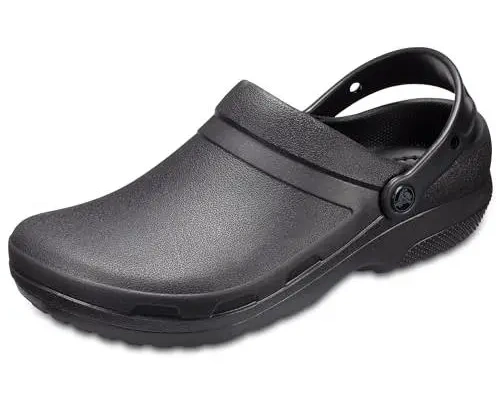
1. Crocs Classic Clog: best for casual standing
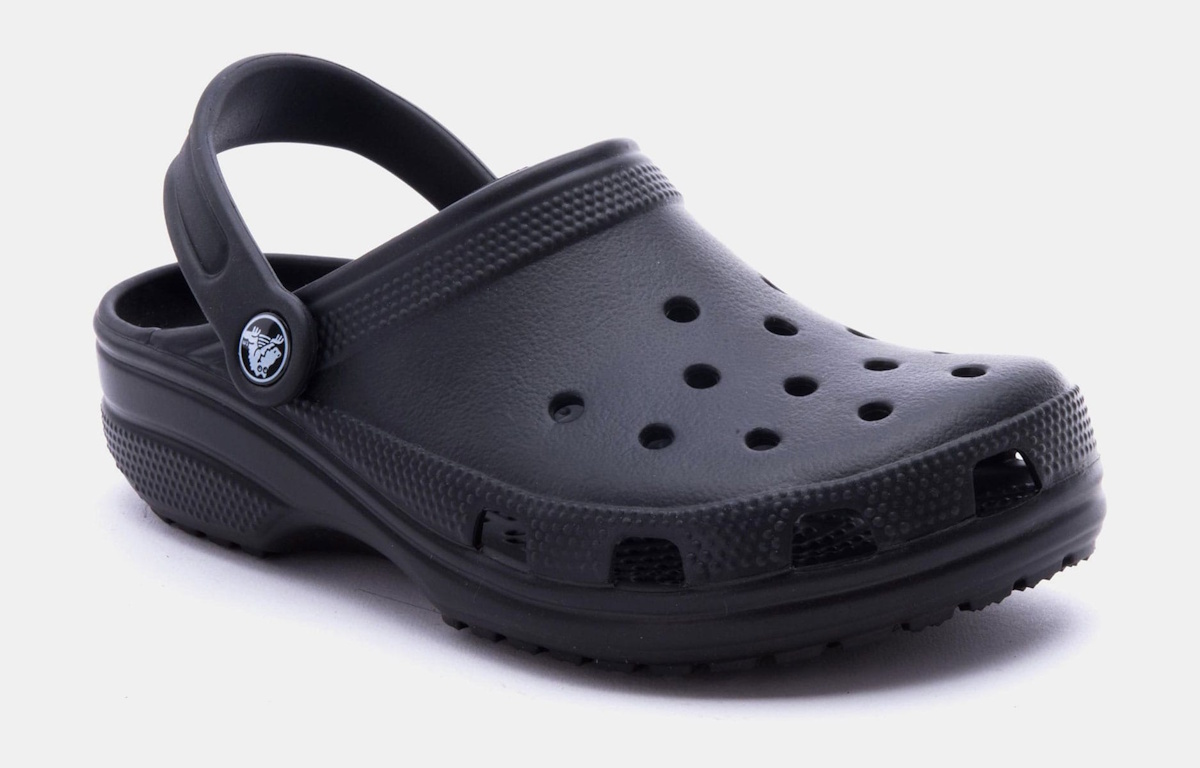
The Classic has a broad forefoot, lightweight molded construction, ventilation ports and a pivoting heel strap. Its roomy shape and low weight make it pleasant for casual standing and everyday wear.
For a full shift, the loose fit can become a drawback. Wearing the strap behind the heel improves security, but it cannot hold the foot like an enclosed shoe. The ventilation holes also make the Classic unsuitable around hot liquids, food spills or clinical messes.
Best for: casual retail, home use, short shifts, gardening and people who value ventilation.
Skip it when: your employer requires an enclosed work shoe, you work on wet floors, or you constantly tense your toes to keep the clog in place.
Browse Crocs Classic Clog styles if your main priority is relaxed everyday comfort rather than a technical work shoe.
2. Crocs Bistro: best for kitchens and slippery floors
The Bistro adapts the Crocs clog for work. Its enclosed toe and thicker forefoot area improve coverage from spills, while Crocs Lock slip-resistant tread and a washable molded design suit restaurants and kitchens.
The Bistro keeps the broad, forgiving Crocs shape but feels more purposeful. Wear the heel strap behind the heel during active work. A clog that slides at every step can encourage unnecessary toe gripping.
Workers who want softer underfoot cushioning may prefer Bistro Pro LiteRide, which has a removable washable foam insole. More softness is not ideal for everyone, and people who value a firmer platform may prefer the standard Bistro.
Best for: chefs, baristas, restaurant staff, hospitality workers and anyone dealing with frequent spills.
Potential drawback: the enclosed upper traps more heat than the Classic, so socks that manage moisture are useful during long shifts.
See the available Crocs Bistro work clogs and compare standard and LiteRide versions.
3. Crocs On The Clock: best enclosed work-shoe option
On The Clock looks more like a conventional slip-on. Its enclosed toe and heel suit workers who want Crocs cushioning without an open back, while the tapered rear fit helps reduce heel movement.
This is often my preferred Crocs shape for people who walk as much as they stand. Better heel containment helps during turns and quick movements and reduces the need to grip with the toes.
The trade-off is a more structured fit. The shoe should hold the heel without rubbing and leave room for the toes. People with very wide feet or prominent bunions should compare it carefully with the roomier Specialist II.
Best for: nurses, healthcare staff, retail workers, servers and jobs requiring a neat enclosed shoe.
Potential drawback: less ventilation and a closer fit than traditional Crocs clogs.
Check current Crocs On The Clock styles if heel security is high on your list.
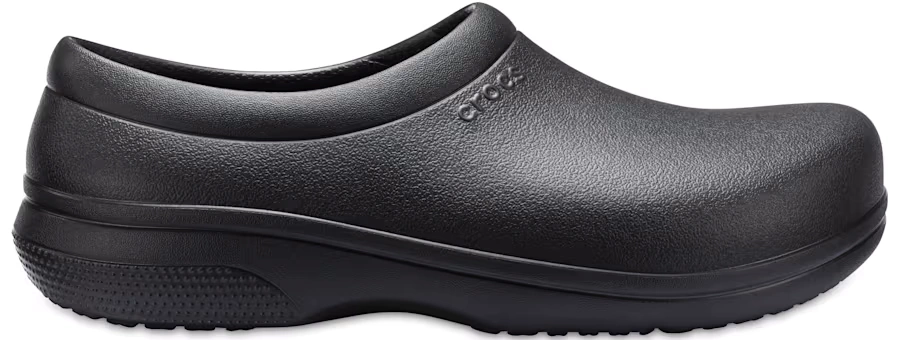
4. Crocs Specialist II: best roomy work clog
The Specialist II is more work-focused than the Classic. It combines an enclosed toe, higher heel area, enhanced arch support, a thicker metatarsal section and a contoured footbed with the generous Crocs shape.
I would consider Specialist II for a broad forefoot or sensitive toes. The extra room can reduce rubbing, provided the shoe is not large enough to slide, and the thicker forefoot may feel more protective on hard floors.
It remains a clog, so rearfoot control is lower than in an enclosed shoe. It may also feel bulky during fast walking and warm in hot environments.
Best for: general work, laboratories, healthcare support roles, wider feet and people who want a more supportive clog shape.
Potential drawback: bulky styling and less heel control than On The Clock.
Explore Crocs Specialist II work clogs to compare available sizes and versions.
Where does the Crocs Yukon Vista fit?
The Yukon Vista is worth mentioning because many men prefer its more polished upper and adjustable heel strap. It can work well for travel, casual offices and everyday wear when you want a clog that looks less sporty. Some versions also include LiteRide cushioning.
I would not automatically choose it over Bistro for a wet kitchen or over On The Clock for an enclosed workplace. Its strength is casual versatility, not specialist job protection. Still, it may be the better choice for someone who stands at a counter, wants an adjustable strap and prefers a smarter appearance. You can compare current Crocs Yukon Vista clogs alongside the work models.
How to choose the correct size for a long shift
Try shoes later in the day when your feet are closer to their working size. Wear the type of socks you normally use and walk for several minutes. Your toes should move freely, but your foot should not slide from side to side. With a clog, place the strap behind the heel and check whether the toes remain relaxed.
Do not assume that a larger size will always be more comfortable. An oversized Crocs clog can create constant movement and toe gripping. On the other hand, a tight shoe may become painful once the foot swells. The right fit sits between those extremes: roomy in front, stable through the middle and secure enough at the heel for your activity.
Who should be cautious about wearing Crocs all day?
Crocs can be comfortable, but they are not a universal medical solution. People with significant ankle instability, severe overpronation, recurrent falls or a prescribed orthotic may need a more structured shoe. Anyone with diabetes, neuropathy, poor circulation or reduced sensation should be particularly careful because pressure and skin injuries may not be felt immediately.
Persistent heel pain, burning, numbness or swelling deserves proper assessment rather than repeated changes of footwear. A clinician can determine whether the problem is related to fit, plantar fascia irritation, nerve compression, joint disease or another cause.
Final verdict
There is no single best Crocs model for every person who stands all day. For kitchens and spill-prone floors, Bistro is the most practical choice. For healthcare, retail and service work where an enclosed heel matters, On The Clock offers the most secure shoe-like fit. Specialist II is my pick for wider feet and workers who want a roomy, reinforced clog. The Classic is still excellent for casual comfort, but it is the least work-focused of the four.
Choose according to the environment first and softness second. A well-fitted work shoe that stays attached to the foot, meets workplace safety rules and remains stable late in the shift will usually serve you better than the softest pair in the store. Review the full selection of Crocs footwear at SporTipTop and compare the model, fit and outsole that best match your daily routine.
Frequently asked questions
Which Crocs are best for standing all day?
Bistro is best for kitchens and slippery work areas, On The Clock is best when you need an enclosed heel, Specialist II is a strong roomy option, and Classic works best for casual or light-duty standing.
Are Classic Crocs good for an eight-hour shift?
They may be comfortable for light-duty use, but they do not provide the same heel security, coverage or work-focused traction as Crocs work models. The demands of the job should guide the choice.
Are Crocs suitable for plantar fasciitis?
Some people appreciate their cushioning, but Crocs are not a treatment for every case of plantar fasciitis. If heel pain continues, worsens or is severe first thing in the morning, seek an individual assessment.
Should I wear socks with work Crocs?
In most workplaces, socks improve moisture management and reduce rubbing. Choose a breathable pair that does not bunch under the toes. Follow hygiene and uniform requirements for your job.
How often should work Crocs be replaced?
Replace them when the outsole becomes smooth, the tread is uneven, the foam remains compressed or the shoe no longer feels stable. People working full shifts on hard floors may wear footwear out faster than casual users.